
Practical technical training built around the complete production workflow.
AMATI Academy is developing a structured, project-based training system that connects digital planning, materials, machinery, production methods, assembly, modern hardware, quality control, workshop organization, and continuous improvement.
Curriculum Version 1.0 and three initial course plans are complete. A proposed Southern California pilot location has been identified. AMATI Academy is not currently enrolling students or delivering public training.
One connected system, not isolated skills.
The curriculum follows the workflow from measurement and project analysis through digital preparation, component production, assembly, hardware, adjustment, and final quality control — while integrating safety, organization, material efficiency, and standardized work.
A complete development foundation is already documented.
The Academy’s Version 1.0 curriculum establishes the complete core pathway; the first three course plans convert selected curriculum areas into a coordinated short-format sequence.
From digital planning to a completed, inspected training project.
The three initial courses are designed as separate two-day stages. Together they connect one project from measurement and digital preparation through physical production, assembly, hardware, adjustment, and inspection.
Digital Project Planning & Production Preparation
Measurement, SketchUp-based modeling, production drawings, materials, hardware, part lists, cutting optimization, edge specifications, labels, and final digital review.
Course details →Panel Production, Cutting, Edge Banding & Machining
Material verification, cutting, edge banding, selected machining and joinery, systematic non-CNC production, and stage-specific quality control.
Course details →Assembly, Hardware Installation, Adjustment & Quality Control
Pre-assembly verification, assembly sequencing, modern hardware, adjustment, functional testing, minor corrections, and final inspection.
Course details →Training that can evolve as technology and production methods change.
AMATI Academy’s development framework is designed to review software, equipment, materials, hardware, safety guidance, and production methods, then route meaningful changes into controlled curriculum updates.
Continuous technical review
Manufacturer information, software changes, equipment developments, professional experience, and documented industry input can trigger technical review.
Competency-based assessment
Assessment is based on participant work, direct observation, documented outputs, and defined competency criteria — not attendance alone.
Replicable structure
Standardized modules, instructor guidance, common assessment criteria, digital resources, and a shared update process support future replication.
Why practical technical training remains relevant.
NIST emphasizes technology adoption, workforce development, manufacturing capability, and industrial competitiveness. The U.S. Bureau of Labor Statistics describes modern woodworking as highly technical and notes the importance of computer-controlled machinery. Federal CTE guidance also emphasizes sustained collaboration between education and employers and keeping technical skills current.
See the Sources“The goal is not to teach isolated operations. It is to help participants understand how decisions made at one stage affect accuracy, efficiency, safety, quality, and downstream work.”
Built on advanced craft training and more than two decades of practical experience.
Founder Amir Ataie’s background combines German Tischlermeister training, formal vocational-trainer qualification, and practical experience across cabinetmaking, furniture production, interior work, project planning, workshop operations, and technical training.
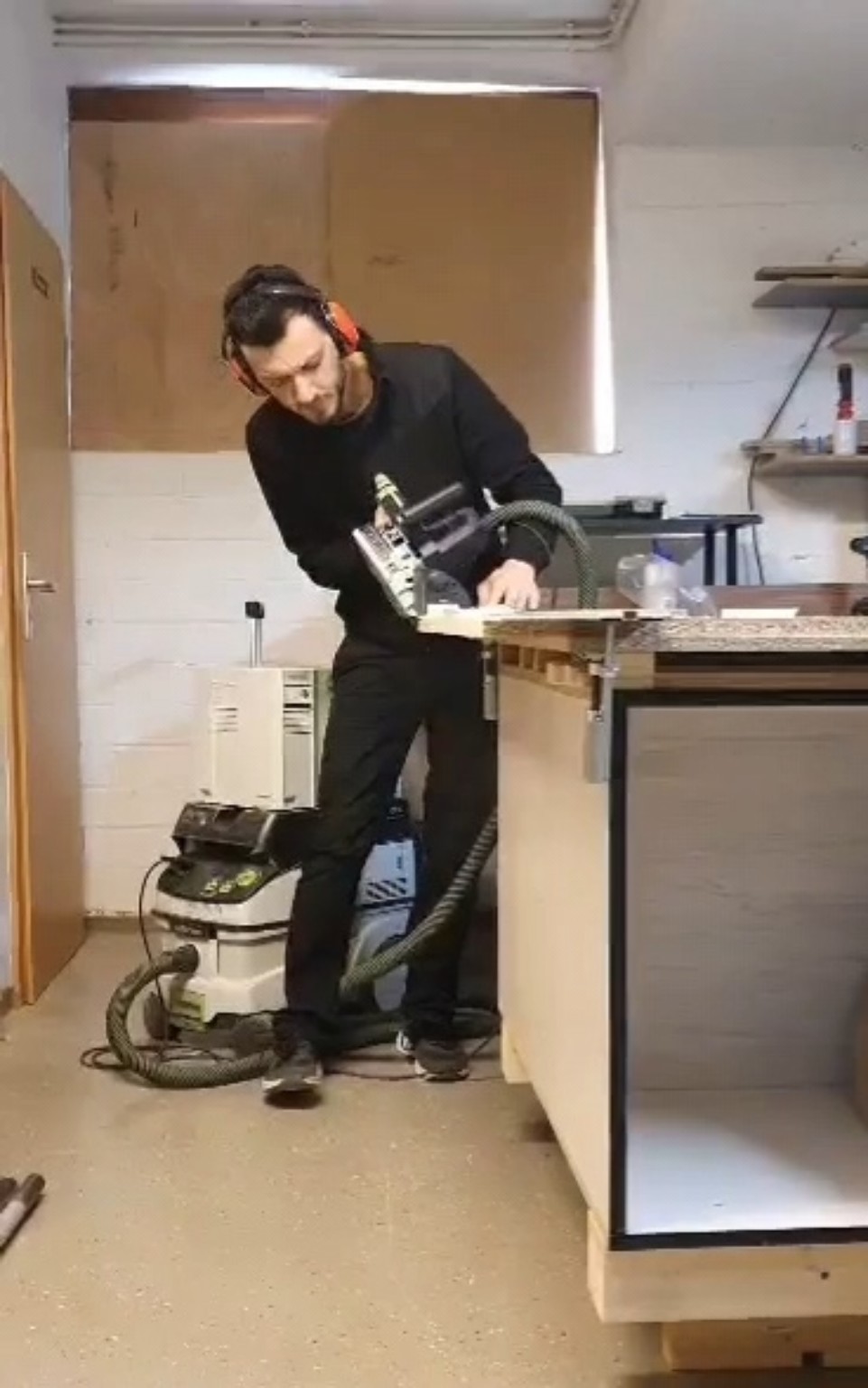
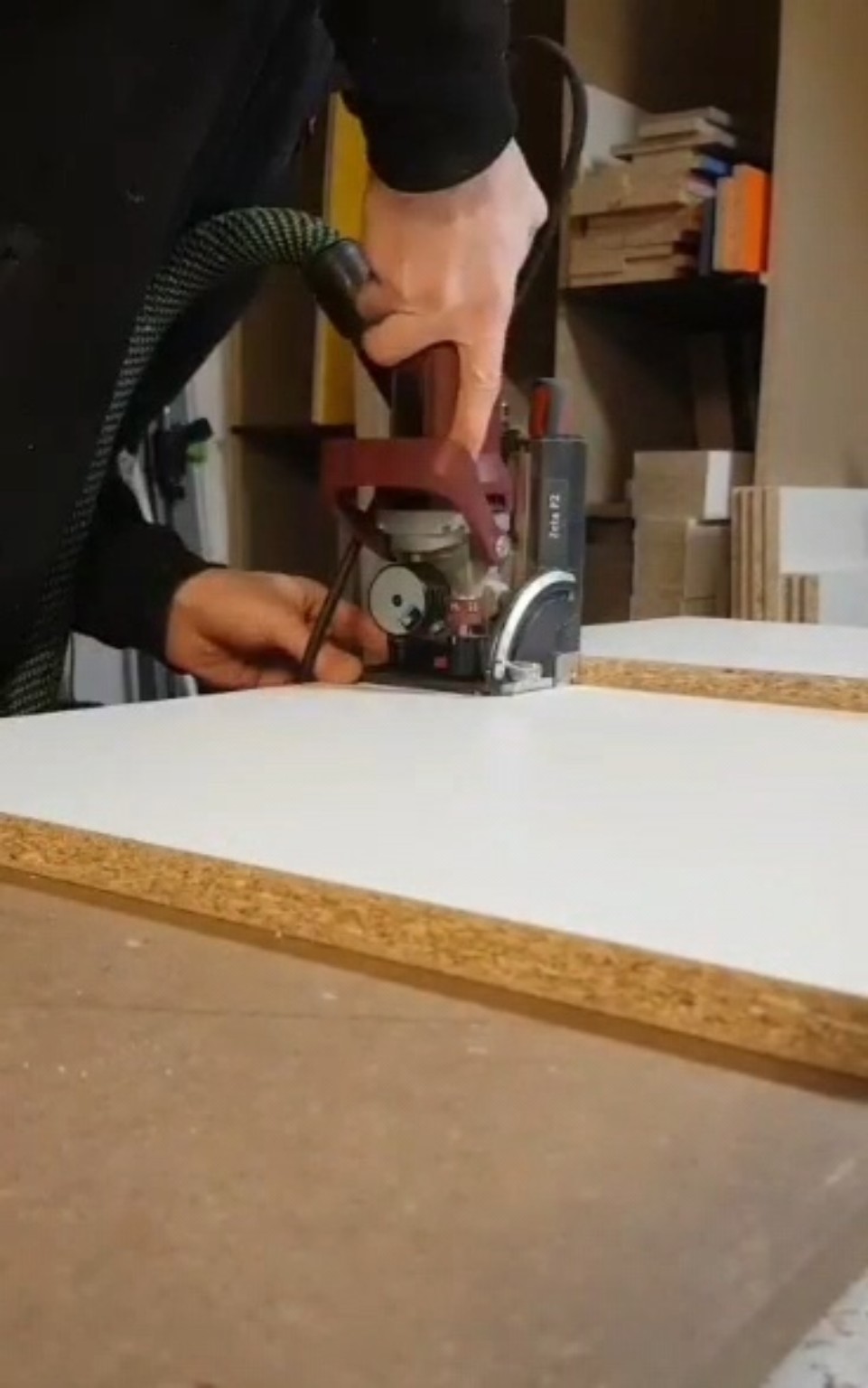
Formal qualifications and training
German Tischlermeister — Master Craftsman in the Joiner Craft, Handwerkskammer Hamburg (2023); AEVO/AdA Vocational Trainer Qualification (2022); German professional recognition as Tischler — Joiner (2018); cabinetmaking and joinery qualification (2002); business administration and law training associated with the German Meister pathway; and machine-safety training.
A proposed pilot location and documented training-support framework.
The initial practical pilot is proposed for 396 Via El Centro, Oceanside, California, through a written technical training-support services agreement with Capparis Woodworking Inc., subject to applicable operational requirements.
Proposed pilot environment
The agreement establishes a framework for scheduled access to appropriate woodworking-production resources, equipment, shop coordination, demonstrations, and technical support. Capparis retains possession, management, and control of its facility and resources.
AMATI Academy responsibility
AMATI remains responsible for its educational program, curriculum, instructors, participant recruitment and enrollment, instructional materials, assessments, certificates, and course administration.
Review the current curriculum and course-plan baseline.
Public-facing controlled documents are available for educators, industry professionals, training reviewers, and others evaluating the AMATI Academy model.
AMATI Academy Curriculum Version 1.0
Approximately 100 instructional hours across 12 modules; pre-operational development baseline.
AMATI Academy Brochure
Overview of the need, training model, development status, replication approach, and founder foundation.